
How to Get Rid of Bed Bugs (DIY IPM Guide)
Getting rid of bed bugs takes weeks of consistent work — there is no overnight spray that ends an infestation. The approach that matches EPA guidance is Integrated Pest Management (IPM): heat (hot dryer cycles and steam), washing, mattress encasements, interceptor traps, decluttering, thorough vacuuming, plus carefully applied EPA-registered products when needed. Repeat every 1–2 weeks for at least 4–6 weeks so newly hatched eggs are covered. Bed bugs are hitchhikers, not a hygiene verdict — luggage, used furniture, and travel bring them into spotless homes too.
Hard truths before you start
- No one-day fix. Eggs are protected from many treatments and hatch over roughly 6–10 days. Plan on 4–6 weeks minimum.
- Not a cleanliness problem. Spotless homes get them. They hide in seams, baseboards, outlets, and furniture joints.
- Severe cases need pros. Multi-room, multi-unit, or failed DIY after several cycles is professional territory.
What actually kills bed bugs
Heat (the strongest DIY tool)
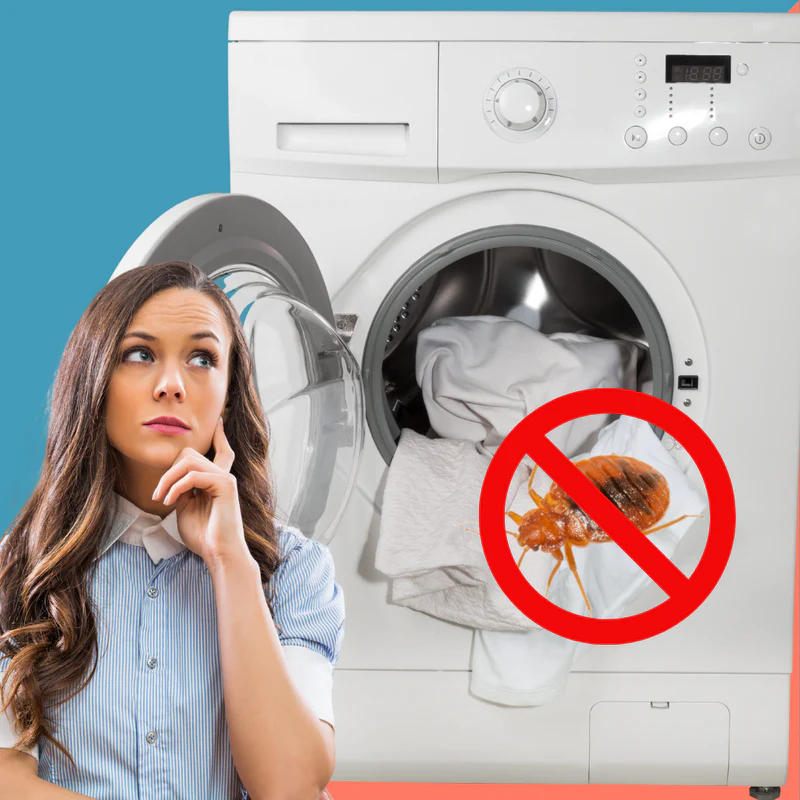
Adults and eggs die when they reach sustained high temperatures. Use a dryer on high for at least 30 minutes for washable items (check fabric labels). A quality steamer that can hold about 130°F+ on contact helps mattresses, seams, baseboards, and furniture cracks — move slowly so heat soaks in. Never use an oven, space heater, or open flame to “heat treat” a room; that is a fire hazard.
Cold
Freezing can work for small items if they stay at or below about 0°F for several days. Home freezers vary; bag items tightly and do not assume a short chill is enough. Heat is usually more reliable for laundry.
EPA-registered products
If you use a pesticide, choose products labeled for bed bugs, follow the label exactly, and keep pets and kids out of treated areas for the stated time. Desiccants (like labeled diatomaceous earth products for indoor crawling insects) work slowly by drying insects — apply lightly in cracks, never as a dusty cloud you breathe. Avoid fogger “bombs”; they often drive bugs deeper and miss harborages.
Encasements and interceptors
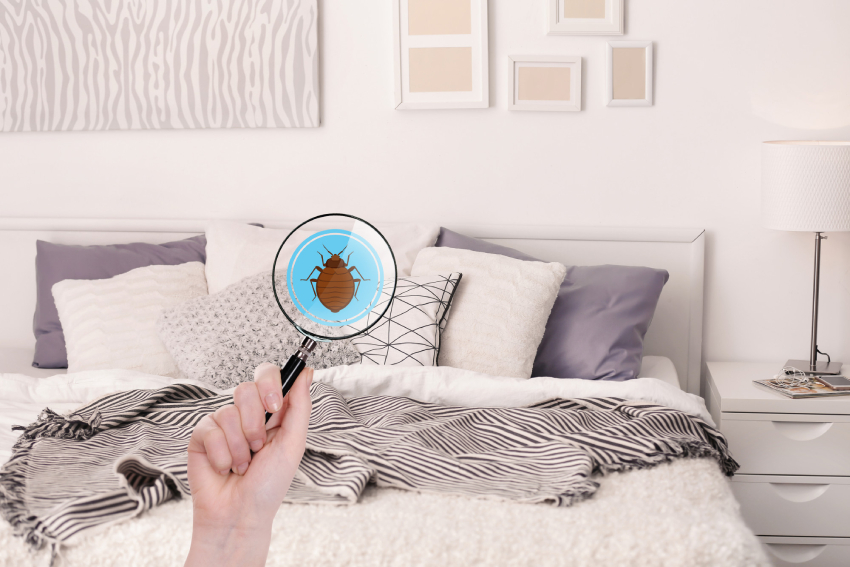
Zippered, bed-bug-rated mattress and box-spring encasements trap bugs inside and block new ones from settling in. Leave them on for a year or more. Interceptor cups under bed legs catch bugs climbing to feed and help you monitor progress.
What works poorly
- Essential-oil sprays alone as a full treatment
- Ultrasonic plugs
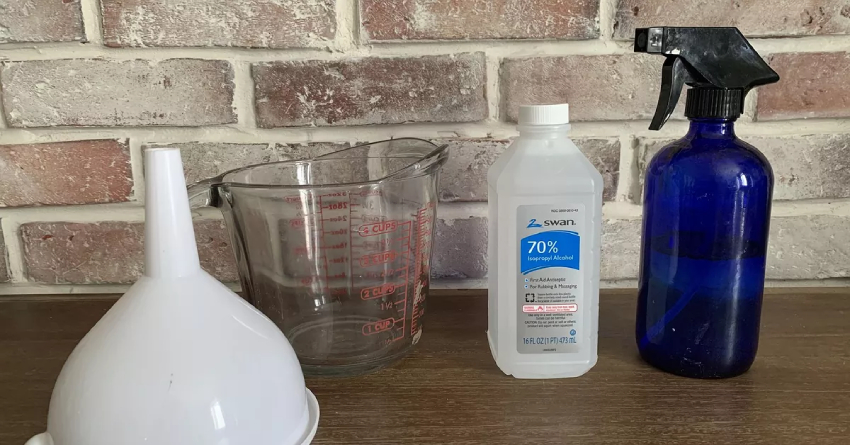
- Alcohol flooding (fire risk, incomplete kill)
- Throwing out the mattress as your only step (bugs hide elsewhere too)
How they get in
Travel luggage, hotel stays, used beds and couches, multi-unit neighbors, and secondhand clothing are common paths. Inspect seams and tag areas after trips; keep suitcases off the bed.
DIY plan, step by step
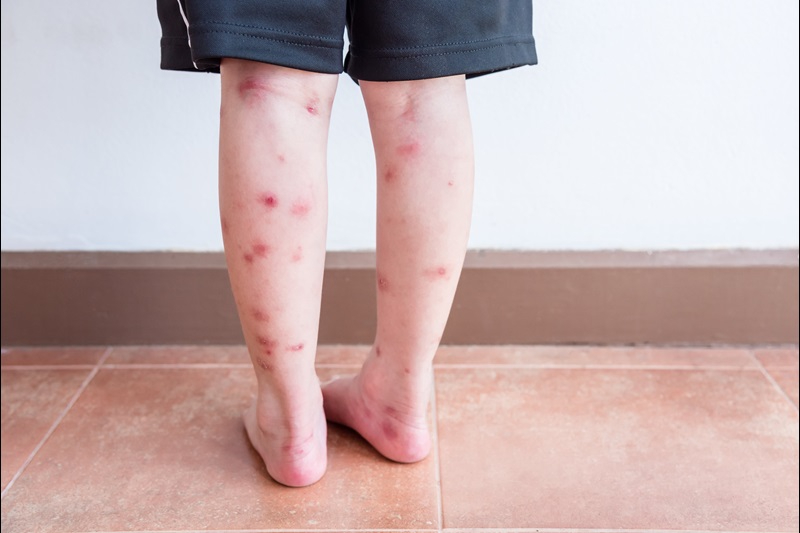
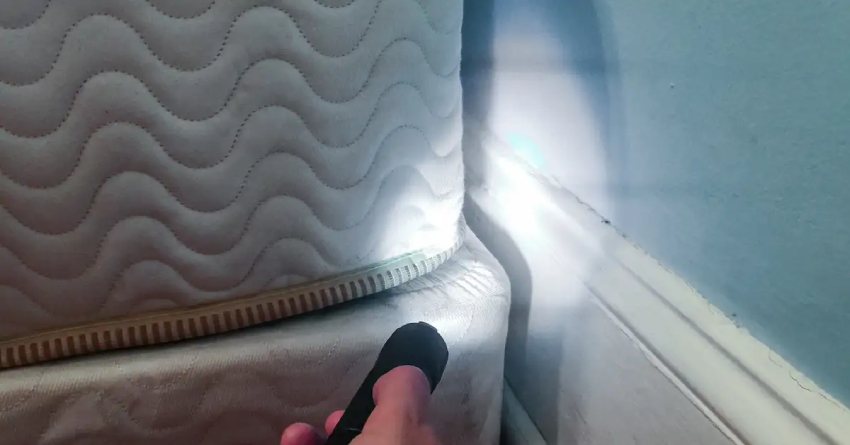
- Confirm. Look for live bugs, dark fecal spots, shed skins, and eggs in mattress piping, headboard joints, and nearby cracks. Bite patterns alone are not proof.
- Track. Note rooms and furniture involved; treat connected spaces, not only the bed.
- Declutter. Bag and isolate items; reduce harborages under the bed and in closets.
- Heat-treat laundry. Hot wash when fabric allows, then high dryer heat. Bag clean items away from the room until the cycle is under control.
- Steam. Slow passes on mattress, box spring, bed frame, baseboards, and upholstered edges.
- Apply labeled product or desiccant only where the label allows.
- Install interceptors under every bed leg; pull the bed slightly from the wall so bugs must climb legs.
- Vacuum thoroughly — seams, edges, carpets — then empty the canister into a sealed bag outdoors.
- Repeat every 1–2 weeks for 4–6+ weeks. Stopping after one good day is how infestations rebound.
When to call a professional
Call if you find bugs in multiple rooms, you live in an apartment/condo with shared walls, DIY after several cycles still shows live bugs in interceptors, or anyone in the home has health conditions that make pesticide use risky. Ask about heat treatments, follow-up visits, and warranties in writing.
Prevention
- Inspect hotel beds (headboard and seams) on travel
- Isolate luggage; hot-dry clothes after trips when practical
- Be cautious with used furniture — inspect or skip upholstered finds
- Keep encasements on after an infestation
Frequently asked questions
Can I sleep in the bed during treatment?
Often yes once bedding is clean and encased, but follow product label re-entry times if you sprayed. Many people sleep in the treated bed with interceptors installed so monitoring continues.
Do I have to throw out my mattress?
Usually no if you encase it. Dispose only when the mattress is damaged or a pro advises it.
Are bed bugs dangerous?
They are blood feeders that cause itchy bites and stress; they are not typical disease carriers in the U.S., but secondary skin infection from scratching is possible.
While you run the multi-week IPM cycle, a thorough bedroom reset helps — Pro Housekeepers’ deep cleaning can clear dust and clutter that hide harborages (pest treatment itself stays with you or a licensed pest company).